
After months of withdrawal, getting outside can feel enormous. Here's how we approach that first step — and why it matters so much.
When a young person has withdrawn — from school, from friends, from the world — the idea of adventure can seem impossibly far away. The word itself carries a weight of expectation. Adventure sounds bold, energetic, outgoing. It sounds like everything they're not currently feeling.
But adventure doesn't have to mean scaling a cliff or crossing a river. In mentoring, adventure is simply the act of stepping outside what feels safe — and discovering that the world is still there, still interesting, and still open to them.
The first step is the smallest one
We never start with adventure. We start with presence. A young person who has been inside for months doesn't need a programme of activities; they need to know that the person beside them has no agenda, no timeline and no expectations. The first session might be nothing more than sitting outside, together, in silence.
That's not a lack of progress. That's the foundation. Because before a young person can take a step into the world, they need to feel that the ground beneath them is steady.
Earning the next step
When trust has been established — and only then — we begin to explore. But even this is gentle. A short walk. A different path. A moment of curiosity about a tree, a stream, a view. Each small experience is an invitation, not a demand. And each one that is accepted becomes a building block for the next.
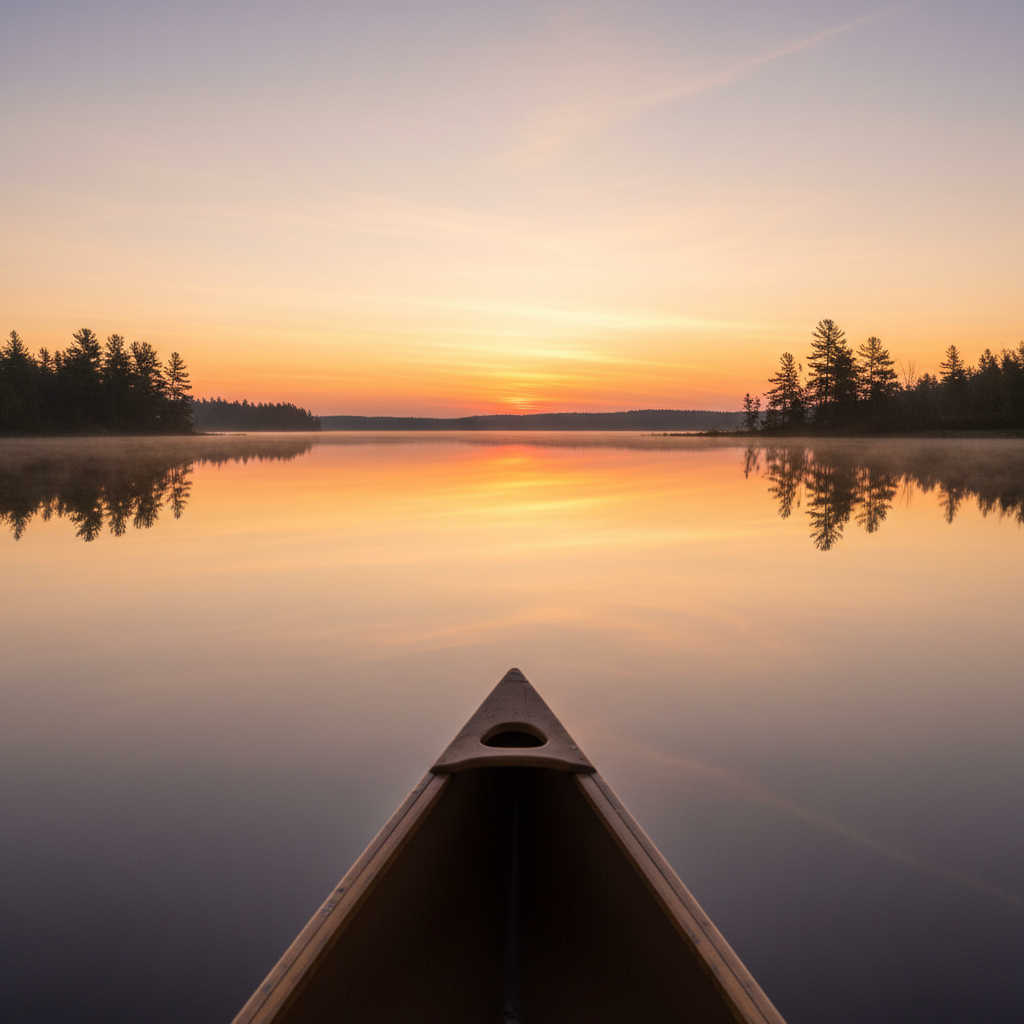
Over time, the walks get longer. The curiosity deepens. A young person who once couldn't leave the house might find themselves standing at the edge of a lake, holding a paddle, wondering what it would feel like to be on the water. That wondering — that's adventure returning.
Why adventure matters
Adventure matters because it reconnects young people with their own capacity. A young person who has spent months feeling small, stuck and powerless discovers, through the outdoors, that they can still do hard things. They can walk further than they thought. They can light a fire. They can navigate. They can be cold, tired and challenged — and come out the other side smiling.
These aren't just activities. They're evidence. Evidence that the story they've been telling themselves — that they can't, that they're not enough, that the world is too big — isn't the whole truth. And each piece of evidence quietly rewrites that story.
The pace belongs to them
The most important principle in this work is that the pace always belongs to the young person. There is no timetable for rediscovering adventure. Some young people are on the water within weeks. Others take months to walk further than the end of the drive. Both are valid. Both are progress.
What matters is that every step is chosen, not forced. Because confidence that is earned through genuine experience lasts. And a young person who rediscovers adventure on their own terms doesn't just return to the world — they return believing they belong in it.
"Adventure isn't about how far you go. It's about discovering that you can go at all."
— Rich Moses, Founder